






- Atmosphère ! Atmosphère …« Atmosphère ! Atmosphère ! Est-ce que j’ai une gueule d’atmosphère ? » est l’une des répliques les plus célèbres du cinéma français. Cette scène se déroule dans « Hôtel du Nord » de…
- « Monique s’évade » d’Edouard Louis– Le récit de la renaissance de sa mère – Il y a dix ans, Édouard Louis publiait son tout premier roman, En finir avec Eddy Bellegueule (Seuil, 2014). Puis il a…
- La Grande Librairie du Mercredi 24 avrilLors de la Grande Librairie du 24 avril, Augustin Trapenard accueille Édouard Louis pour « Monique s’évade » (Seuil) , Anne Plantagenet qui publie « Disparition inquiétante d’une femme de 56 ans », au…
- Relire Stefan Zweig« Je suis né en 1881 dans un grand et puissant empire, la monarchie des Habsbourg; mais qu’on ne le cherche plus sur une carte; il a été effacé sans laisser…
- Relire Orgueil et Préjugés de Jane AustenPourvus de cinq filles à marier, Mr et Mrs Bennett espèrent que l’une d’elles saura plaire à Mr Bingley , leur nouveau voisin. Malheureusement l’orgueilleux Mr Darcy, jeune et riche…
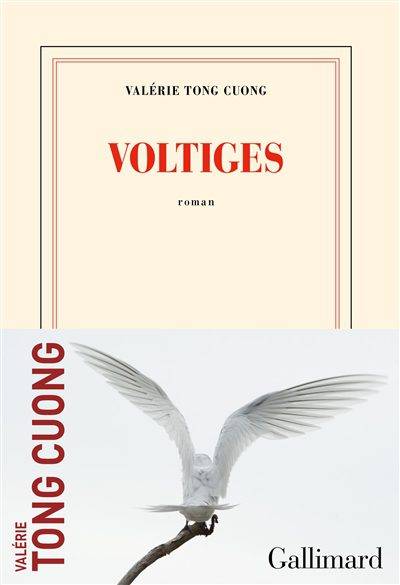
- Voltiges de Valérie Tong Cuong : Superbe et envoûtantValérie Tong Cuong a une écriture, une générosité et un univers que l’on aime retrouver roman après roman ( Big, Providence, L’Ardoise Magique, L’atelier des miracles, Un tesson d’éternité …)….
- La Grande Librairie du Mercredi 10 avrilLors de la Grande Librairie du 10 avril, Augustin Trapenard accueille Alain Damasio, pour « Vallée du silicium », un recueil composé de chroniques littéraires et d’une nouvelle paru au Seuil,…
- La Grande Librairie du Mercredi 3 avrilÀ l’occasion d’une émission spéciale consacrée à la commémoration des 30 ans du génocide des Tutsi du Rwanda, Augustin Trapenard reçoit Beata Umubyeyi Mairesse pour « Le Convoi » (Flammarion),…
- Relire Green de Paul Verlaine« Voici des fruits, des fleurs, des feuilles et des branches Et puis voici mon cœur qui ne bat que pour vous. Ne le déchirez pas avec vos deux mains blanches…
Le poème du mois : Monologue d’Hermione
« Où suis-je ? Qu’ai-je fait ? Que dois-je faire encore ?
Quel transport me saisit ? Quel chagrin me dévore ?
Errante et sans dessein je cours dans ce palais.
Ah ! ne puis-je savoir si j’aime ou si je hais ?
Le cruel ! de quel œil il m’a congédiée !
Sans pitié, sans douleur au moins étudiée !
L’ai-je vu se troubler et me plaindre un moment ?… »
Monologue d’Hermione – Andromaque (Acte V) de Racine